Neuropathy happens when the small nerves in your feet and hands are damaged or irritated. Here is what causes it, what to watch for, and how we help nerves recover.
Peripheral neuropathy is damage to the peripheral nerves, the long nerves that carry messages between your brain and the rest of your body. When those nerves are injured, the signals get scrambled. That is why neuropathy can feel like numbness and burning at the same time.
It most often shows up in the feet and hands, and it tends to get worse over time when the underlying cause is left unaddressed. The good news is that with the right care, many people see real improvement in how their feet and hands feel and function.
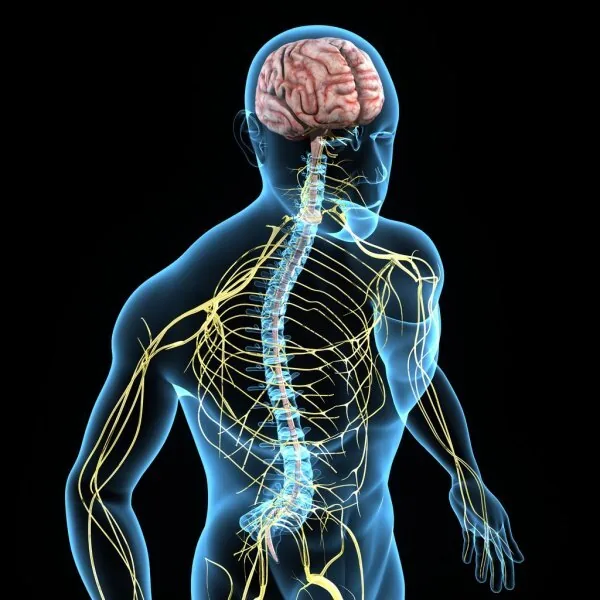
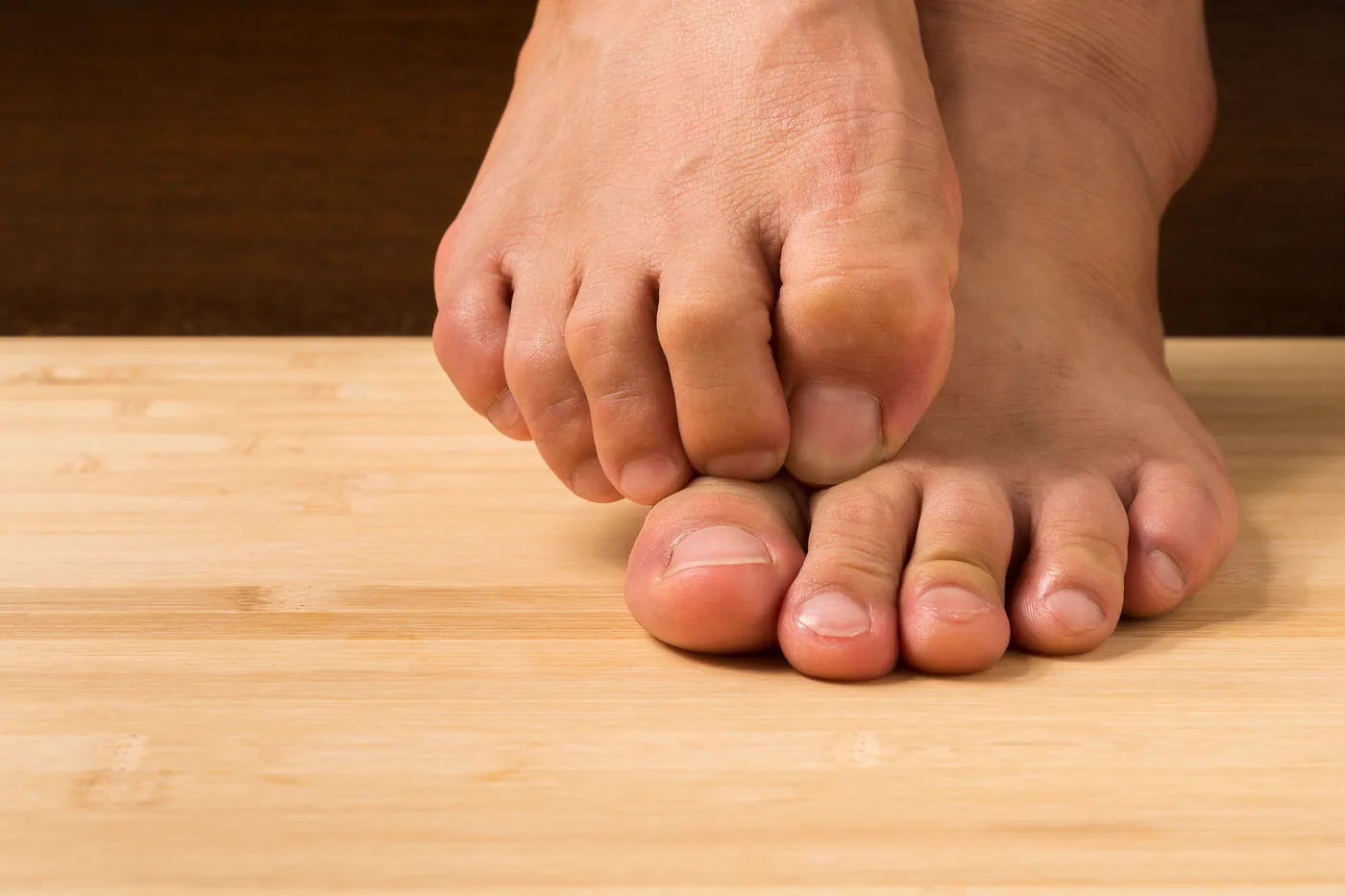
Neuropathy can be steady or come and go, and it is often worse at night. If you notice several of these, it is worth getting evaluated.
Nerve pain is a symptom, not the whole story. We work to identify what is actually driving your neuropathy so treatment targets the cause.
High blood sugar over time is the single most common cause of peripheral nerve damage.
Conditions where the immune system attacks the nerves can trigger neuropathy.
Low levels of key nutrients, especially the B vitamins, starve the nerves of what they need.
Certain infections, as well as trauma or pressure on a nerve, can leave lasting damage.
Some medications, including chemotherapy, are known to damage peripheral nerves.
Shifting hormone levels can contribute to nerve irritation and slow healing.
Rather than covering the pain with medication, our program supports the nerves so they can recover. We bring together gentle, non-invasive treatments that improve circulation, calm the nerves, and rebuild balance, all in one plan built around your symptoms.
Most patients who come to us have already tried pills that only dulled the edge. Our goal is different: better circulation, calmer nerves, steadier balance, and days that feel like yours again.
Explore our approach
The best first step is a conversation. Call our team to talk through your symptoms and find out whether our program is right for you.
